MenuFly and Canva are both useful for creating restaurant menus, but they take different approaches. Compare their design tools, templates, digital menus, QR codes, menu updates and print workflows to find the right fit for your restaurant.
A note before you read: this comparison is written by the MenuFly team. We’ve tried to be fair to Canva — it’s an excellent design platform, and many restaurants use both tools. Canva features and pricing change over time, so check canva.com for the latest details.
Canva is a visual design platform that can be used to create restaurant menus along with social posts, flyers, presentations, advertisements and other marketing materials.
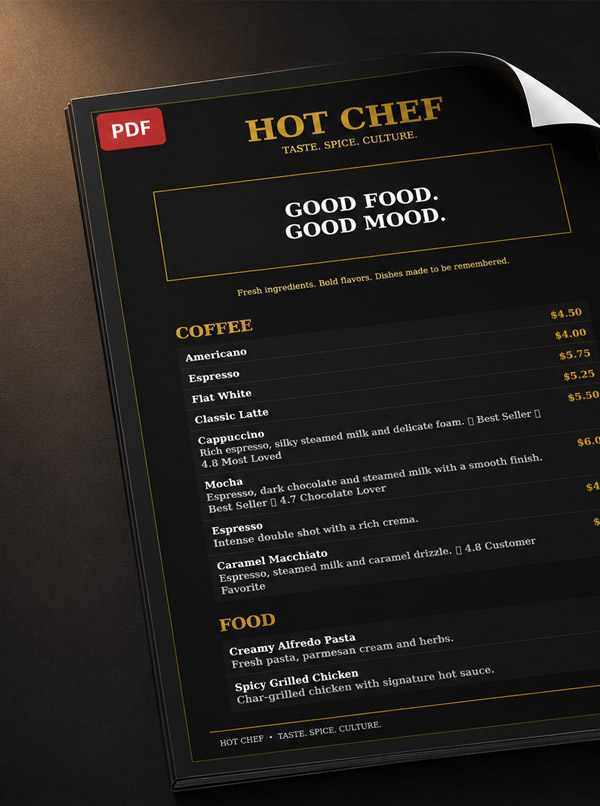
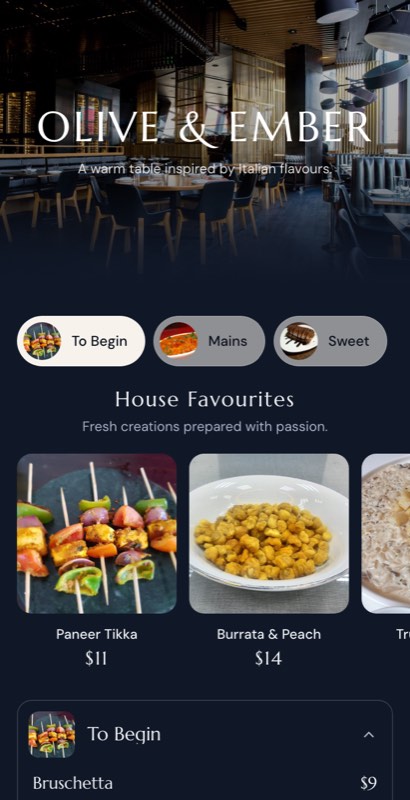
MenuFly is designed specifically around restaurant menus, including digital menus, QR menus, restaurant templates, menu management and print-ready PDFs.
The main difference is the workflow. Canva focuses primarily on visual design, while MenuFly focuses specifically on creating, managing and publishing restaurant menus.
Both tools can produce a restaurant menu. The differences are in specialization and workflow, not in basic capability.
| Feature | MenuFly | Canva |
|---|---|---|
| Restaurant menu templates | Yes | Yes |
| General design templates | Focused on menus | Yes |
| Digital restaurant menu | Yes | Can create menu designs |
| QR menu | Yes | Can create QR code / design |
| Mobile menu experience | Yes | Primarily design / export |
| Restaurant menu item management | Yes | Primarily design-based |
| Menu updates | Update menu content | Edit the design |
| Digital + print workflow | Yes | Primarily design / export |
| Print-ready PDF | Yes | Yes |
| Menu analytics | Yes | Not focused on menu analytics |
| Food / image library | Yes | Yes |
| Backgrounds & graphics | Yes | Yes |
| Restaurant-specific templates | Yes | Yes, among broader templates |
| General graphic design | Limited / focused | Yes |
| Best suited for | Restaurant menu workflow | General visual design |
Features can vary by plan and change over time. This comparison focuses on the core workflow of each platform.
Creating a restaurant menu can be as simple as designing a single PDF, or it can involve a digital menu, QR code, printed menus and frequent price and item updates. The best tool depends on how your restaurant works and how often your menu changes.
A set menu, an event menu or a printed card you update once or twice a year. Here the job is mostly design: lay it out well, export it and print it. A general design tool handles this comfortably.
Prices follow food costs, dishes launch and sell out, specials rotate and guests scan a QR code at the table. Here the job is ongoing menu management across several formats.
The menu is a design document. Updates are made by editing the design, then exporting and sharing or printing it again.
The menu is structured content — dishes, prices, categories — and the digital menu, QR menu and print PDF are generated from it.
Neither workflow is inherently right for every restaurant. Canva may be preferable when you want a flexible general-purpose design tool, while MenuFly may be useful when restaurant menu management and multiple menu formats are central to your workflow.
How each tool approaches the jobs restaurants most often need a menu tool for.
CanvaA natural fit: menus, posts, posters and ads in one design tool.
MenuFlyFocused on the menu itself; you’d use a design tool for other marketing.
CanvaDesign it, export a PDF and print it, or use Canva’s print service.
MenuFlyBuild from a restaurant template and export a print-ready PDF.
CanvaCreate a menu design and a QR code that points to it.
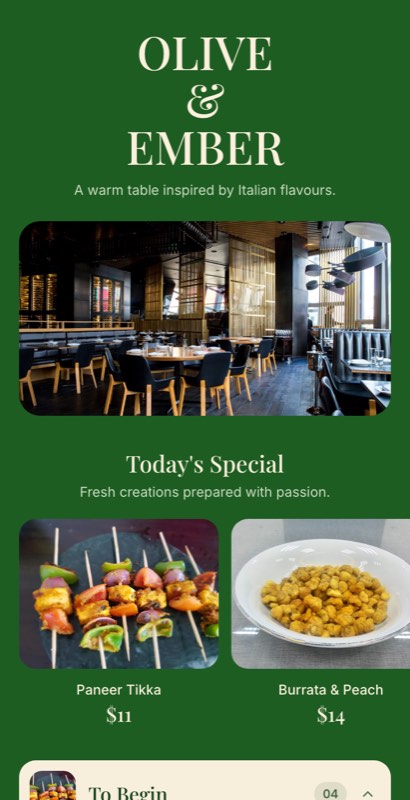
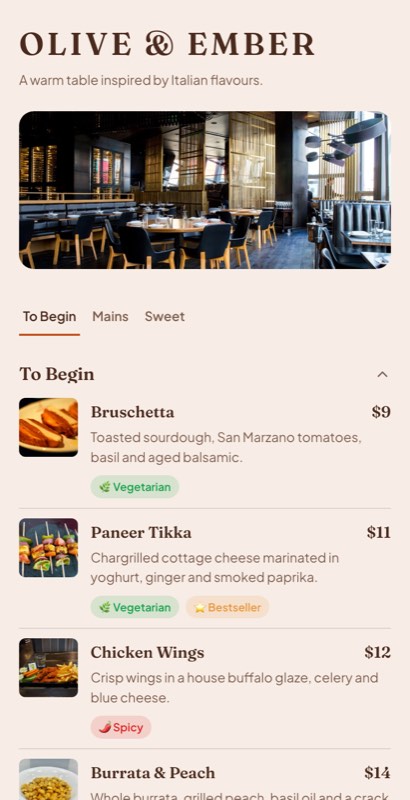
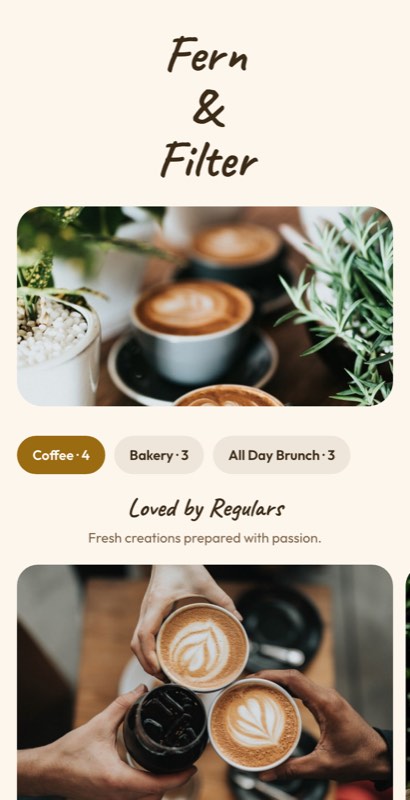
MenuFlyPublish a mobile menu with categories and dishes behind your QR codes.
CanvaEdit prices in the design, then re-export and re-share each version.
MenuFlyUpdate the price once in your menu content; the digital menu reflects it and the next PDF includes it.
CanvaHighlight them visually in the design by hand.
MenuFlyTag dishes as New, Chef’s Special or Bestseller in the menu.
CanvaNot focused on menu-level analytics.
MenuFlyMenu analytics on how guests use the digital menu.
Say you launch a Smoky Peri Peri Paneer Pizza, post a Reel about it, and customers start asking for it.
In Canva, you’d add the dish to your menu design, re-export it, and update the printed copies and any PDF or image you share online.
In MenuFly, you’d add the dish to your menu content. It appears on the live digital menu behind your QR codes, can be tagged as:
…and goes into the next print-ready PDF you generate.
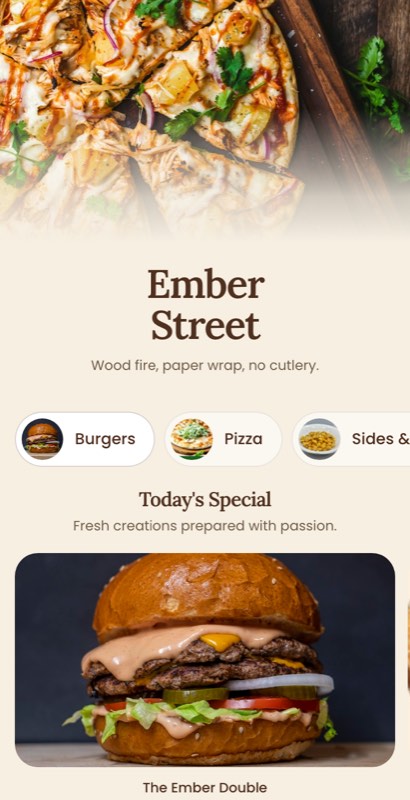
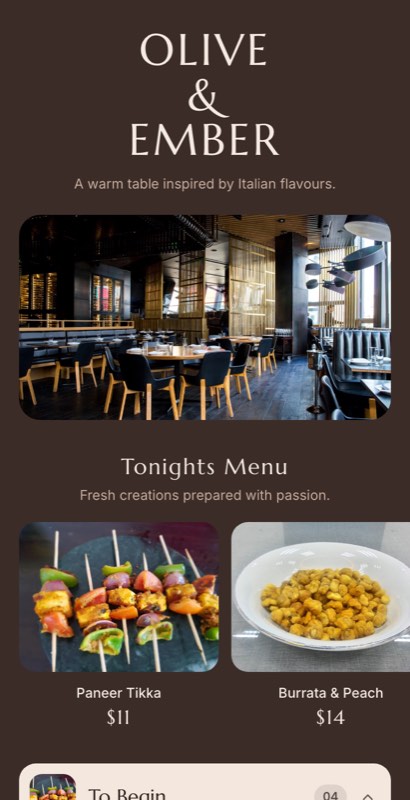
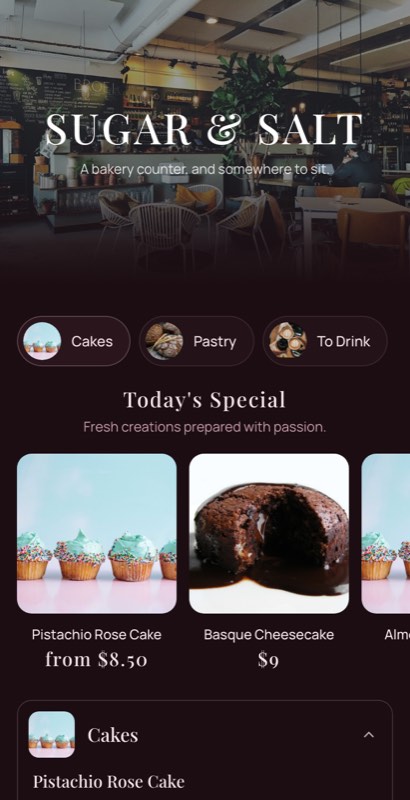
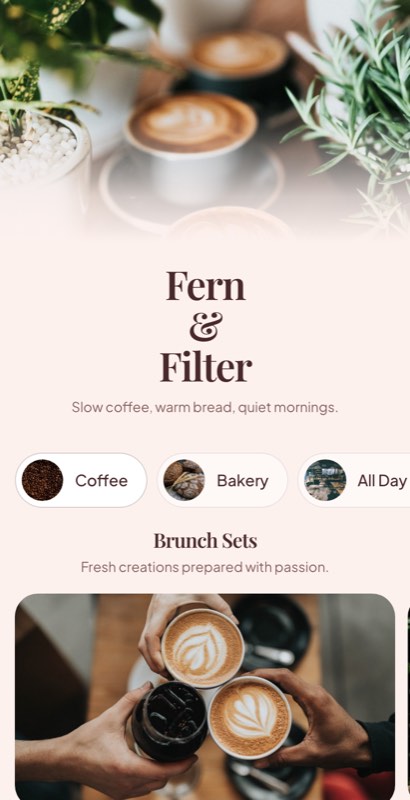
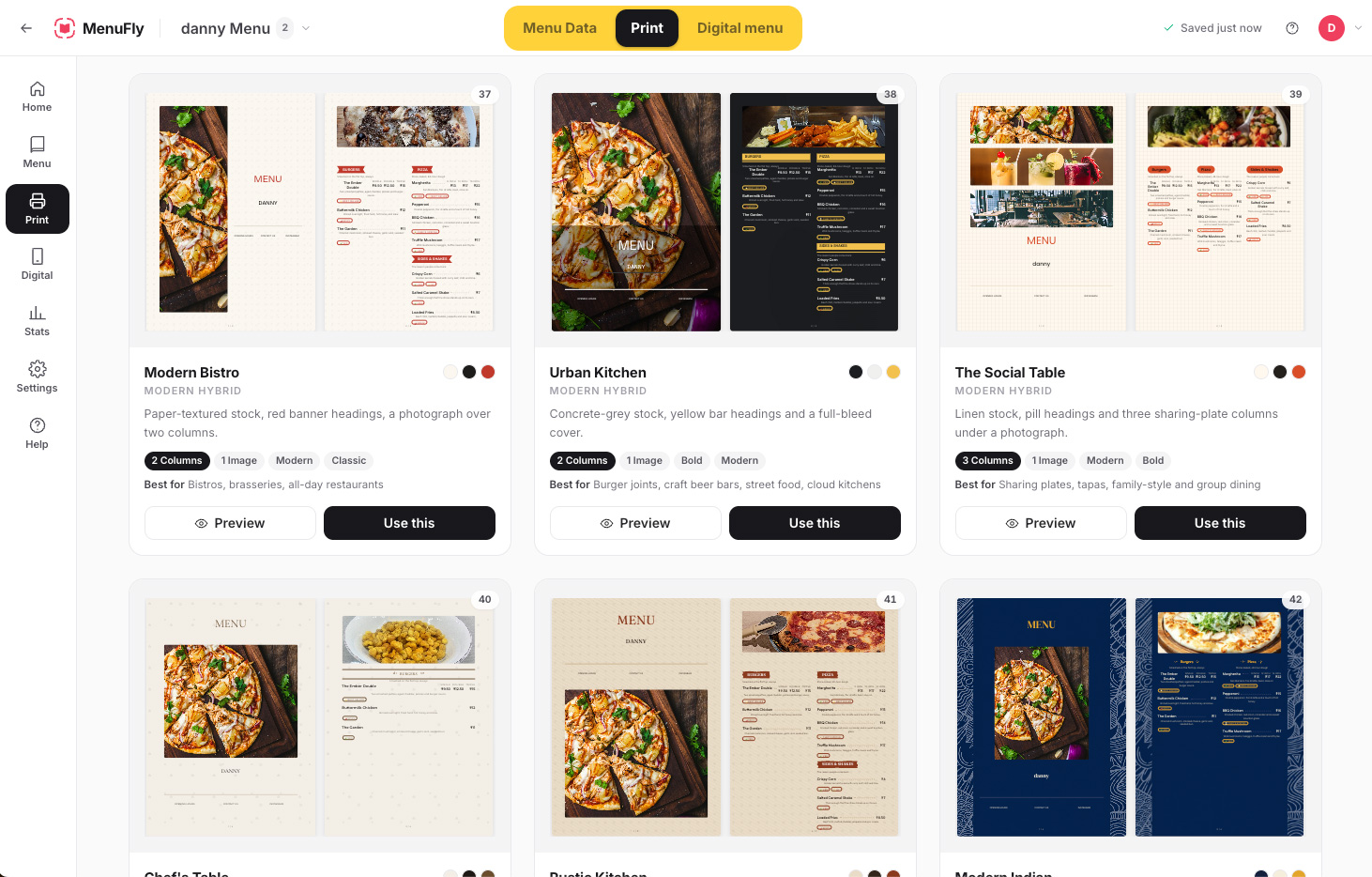
Both tools give you a head start. Canva’s template library is broad and covers menus alongside every other kind of design. MenuFly’s 100+ restaurant menu templates are built only for menus — restaurants, cafés, bars, bakeries, hotels, pizzerias, cloud kitchens and more.
Use this template
Use this template
Use this template
Use this template
Use this template
Use this template
Use this template
Use this template
Both tools export print-ready PDFs, and Canva also offers its own printing service. The difference is where the print file comes from: a Canva design you edit, or MenuFly menu content you regenerate the PDF from after an update.
MenuFly’s print templates turn the same menu content into layouts such as:
Available formats can vary by plan. Not sure which size to print? See our guide to restaurant menu sizes.
MenuFly printing can start around ₹10–₹30 per page. Actual prices depend on paper, size, lamination, finishing, quantity and location. For the bigger picture, see what a restaurant menu costs.
Canva is suitable when restaurant menus are just one part of your design needs.
MenuFly is designed around restaurant menus and connects menu creation with digital publishing, QR menus and print-ready PDFs.
Some restaurant teams use Canva for their broader marketing design and MenuFly specifically for their menu workflow. The two tools don’t have to be mutually exclusive.
Canva may be a good choice if you:
MenuFly may be a good fit if you:
The two tools have different pricing models, so compare them against what you actually need.
Canva offers a free plan and paid plans with additional features. Check Canva’s pricing page for current details.
MenuFly has a free plan, and paid plans start at ₹2,999 a year (Starter). Growth, the most popular plan for digital + print, is ₹5,999 a year. Physical printing is separate and depends on your requirements.
Free plan · no credit card required
Features and pricing can vary by plan.
MenuFly is backed by Aveera Design Solutions and Menu Card Studio, which have designed and delivered 1,000+ restaurant menus. The requests we heard most from restaurant owners shaped how MenuFly works:
“Can you change this price?”
“Can you add this new dish?”
“Can we print only 10 copies?”
“Can we add this special without reprinting the entire menu?”
Restaurants using or working with MenuFly are located across:
| If you need… | Consider |
|---|---|
| General graphic design | Canva |
| Social media design | Canva |
| Flyers and promotional graphics | Canva |
| Maximum creative flexibility | Canva |
| Restaurant menu templates | Both |
| Print-ready PDF | Both |
| Digital restaurant menu | MenuFly |
| QR menu workflow | MenuFly |
| Menu content management | MenuFly |
| Digital + print menu workflow | MenuFly |
| Menu analytics | MenuFly |
| Restaurant-focused workflow | MenuFly |
There isn’t one universal winner. Canva is a broad design platform with restaurant menu capabilities, while MenuFly is focused specifically on restaurant menu creation and management. The right choice depends on whether you primarily need a general design tool or a dedicated restaurant menu workflow.
Canva is a general-purpose design platform used for menus as well as social posts, flyers, presentations and other marketing materials. MenuFly is focused specifically on restaurant menus, connecting menu creation with digital menus, QR menus, menu management and print-ready PDFs.
Yes. Canva can be used to create restaurant menus and provides a wide range of design templates and visual editing tools. It can be particularly useful when you also need to create other marketing materials.
Yes. Canva provides tools and templates that can be used to design restaurant menus and export them for printing or sharing.
Yes. MenuFly can be used as a Canva alternative when the primary requirement is creating and managing restaurant menus. It focuses on restaurant-specific templates, digital menus, QR menus and print-ready PDFs.
It depends on your requirements. Canva offers broader design flexibility, while MenuFly focuses on the restaurant menu workflow. If you need general graphic design as well as menus, Canva may be more suitable. If your main requirement is restaurant menu creation, digital publishing, QR menus and print-ready output, MenuFly may be a better fit.
The best alternative depends on what you need beyond design. If you want a tool built around restaurant menus — with digital and QR menus, menu content management and print-ready PDFs from the same menu — a dedicated restaurant menu maker such as MenuFly is worth comparing.
Yes. Some restaurant teams use Canva for broader marketing design and MenuFly for their menu workflow. The two tools don’t have to be mutually exclusive.
Add your categories, dishes and prices to a digital menu tool, publish it, and connect it to a QR code guests can scan at the table. Our guide on how to create a QR code menu walks through the steps.
Yes. MenuFly can generate print-ready PDFs from your menu content, so you can print physical menus whenever you need them.
MenuFly has a free plan. Paid plans start at ₹2,999 a year for Starter, with Growth at ₹5,999 a year and Pro at ₹11,999 a year. Monthly billing is also available. Pricing and features can vary by plan.
Yes. MenuFly is designed for restaurants globally and already works with clients across the United States, Canada, United Kingdom, Germany, Dubai, UAE and India.
If a restaurant-focused menu workflow sounds like the right fit, start with a template and see how it works with your own dishes and prices.
Free plan · No credit card required
Tell us two numbers. We’ll estimate the opportunity for your restaurant.
Estimates based on your inputs. Actual results vary.